An Adventure Across Rolling Hills, Sacred Lakes, and Volcanic Landscapes
Introduction
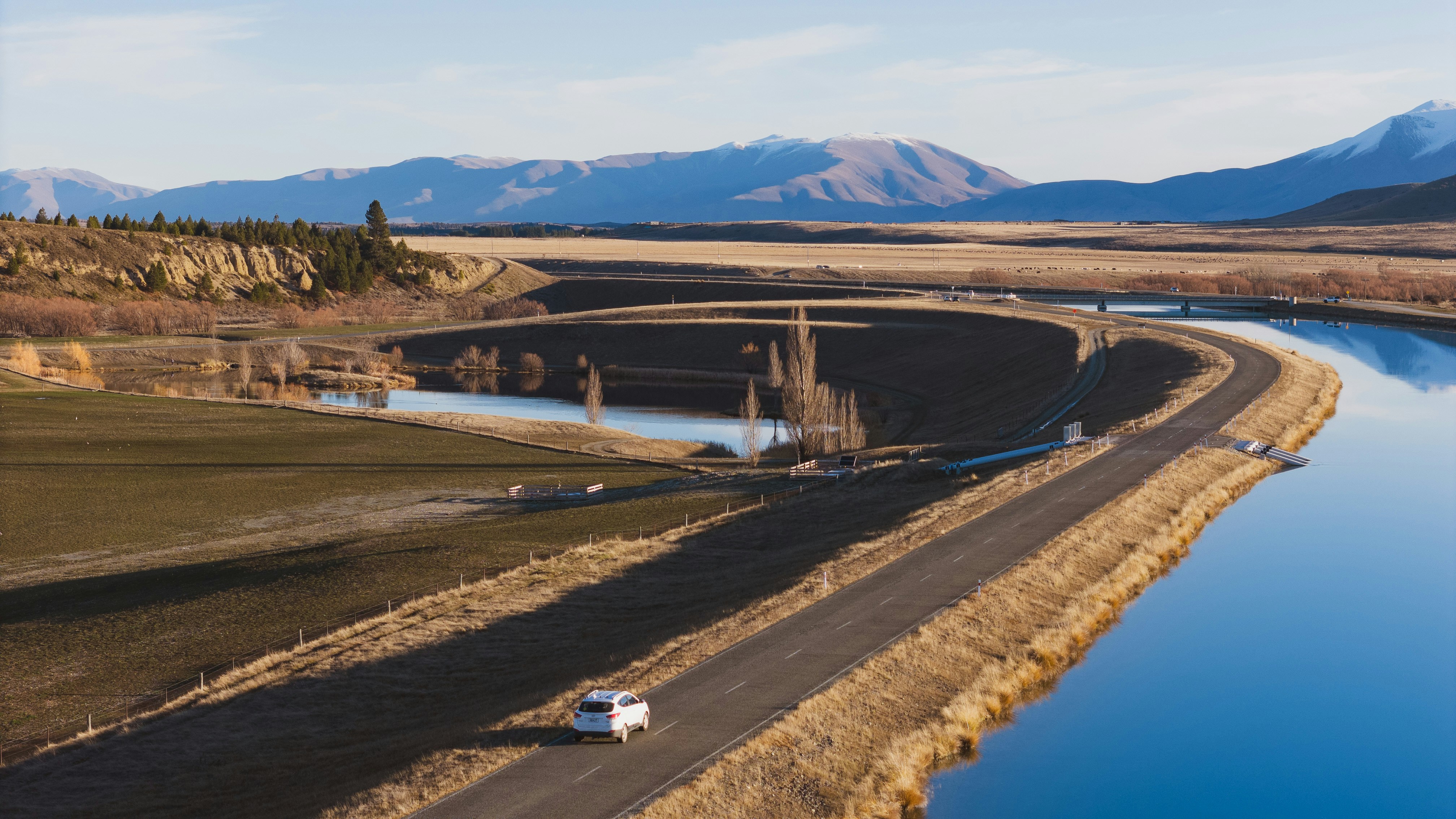
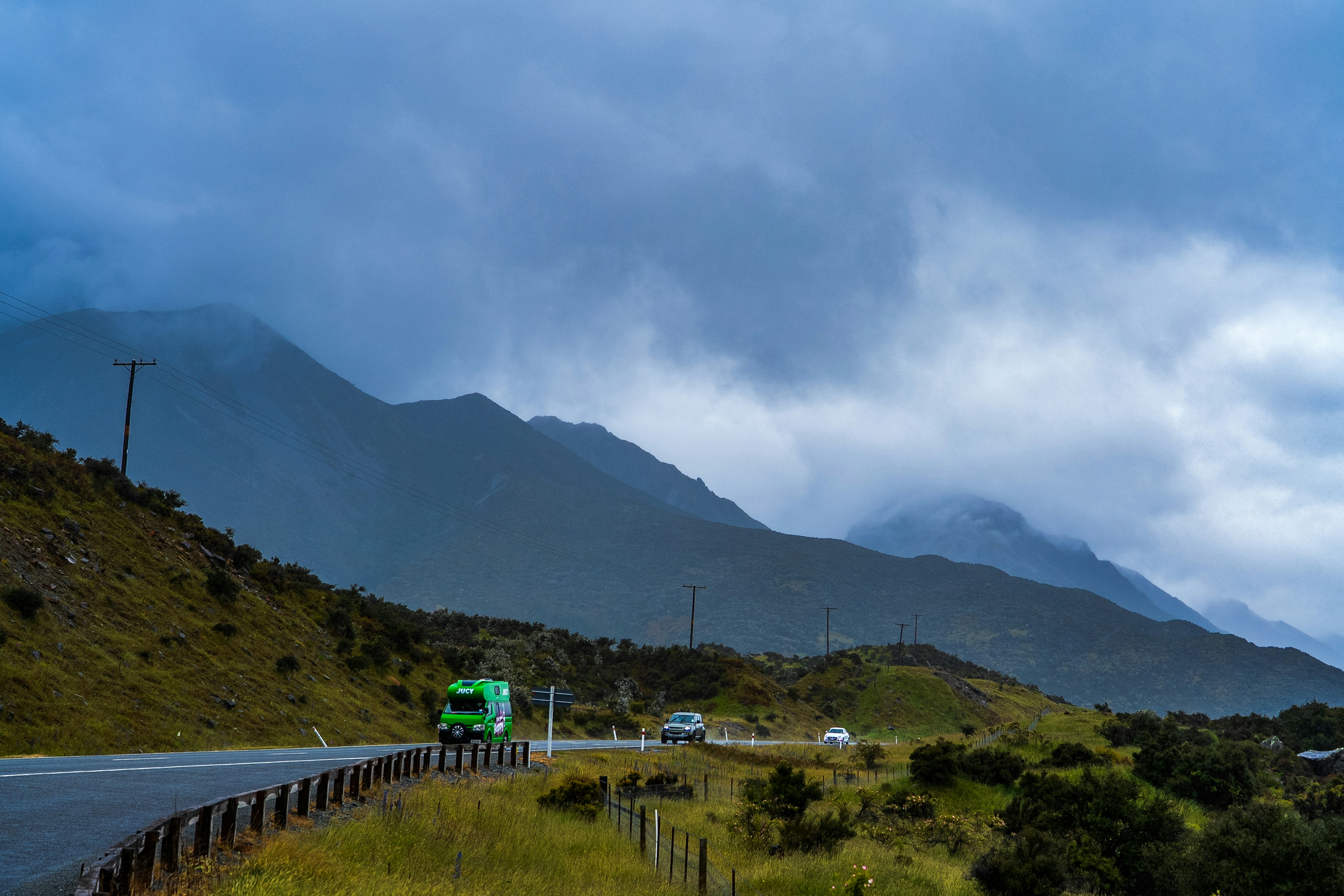
There’s something undeniably magical about hitting the open road in New Zealand’s North Island. The route from Hamilton to National Park Village is a journey through some of the country’s most spectacular and diverse scenery, offering everything from serene farmland to ancient forests and the dramatic peaks of Tongariro National Park. Whether you’re a local looking for a weekend escape or a traveller eager to discover Aotearoa’s untamed beauty, this road trip promises memories for a lifetime.
Setting Off: Hamilton’s Bustling Heart
Hamilton, with its vibrant river city vibes, is the perfect starting point. Before leaving, I recommend grabbing a coffee at one of the quirky cafés along Victoria Street or taking a morning stroll through the tranquil Hamilton Gardens. It’s a gentle way to ease into the adventure ahead.
First Stop: The Enchanting Waitomo Caves
Less than an hour southwest of Hamilton, the Waitomo region beckons with its world-famous limestone caves. A glowworm cave tour is a must, offering a surreal underground river ride beneath thousands of twinkling lights. For the more adventurous, black water rafting or abseiling through the caves offers a dose of adrenaline. Don’t forget to stop in the village for a quick bite—classic Kiwi pies are a local favourite!
Rolling Through the King Country
From Waitomo, the road winds through lush farmland and rugged hills. This is the heart of the King Country—once a stronghold of Māori King movement. The landscape here is dotted with sheep, native bush, and the occasional historic marae. It’s worth pulling over at a scenic lookout to soak in the panoramic vistas and snap a few photos.
Lake Taupō’s Majestic Shores
Heading east, you’ll arrive at Lake Taupō, New Zealand’s largest lake and a true outdoor playground. The lakeside town of Taupō is a great place to stretch your legs, grab lunch at a waterfront eatery, or try your hand at trout fishing. For a unique experience, visit the steaming thermal valleys or take a detour to the Huka Falls and witness the mighty Waikato River in action.
Onward to Tongariro: Volcanic Wonders Await
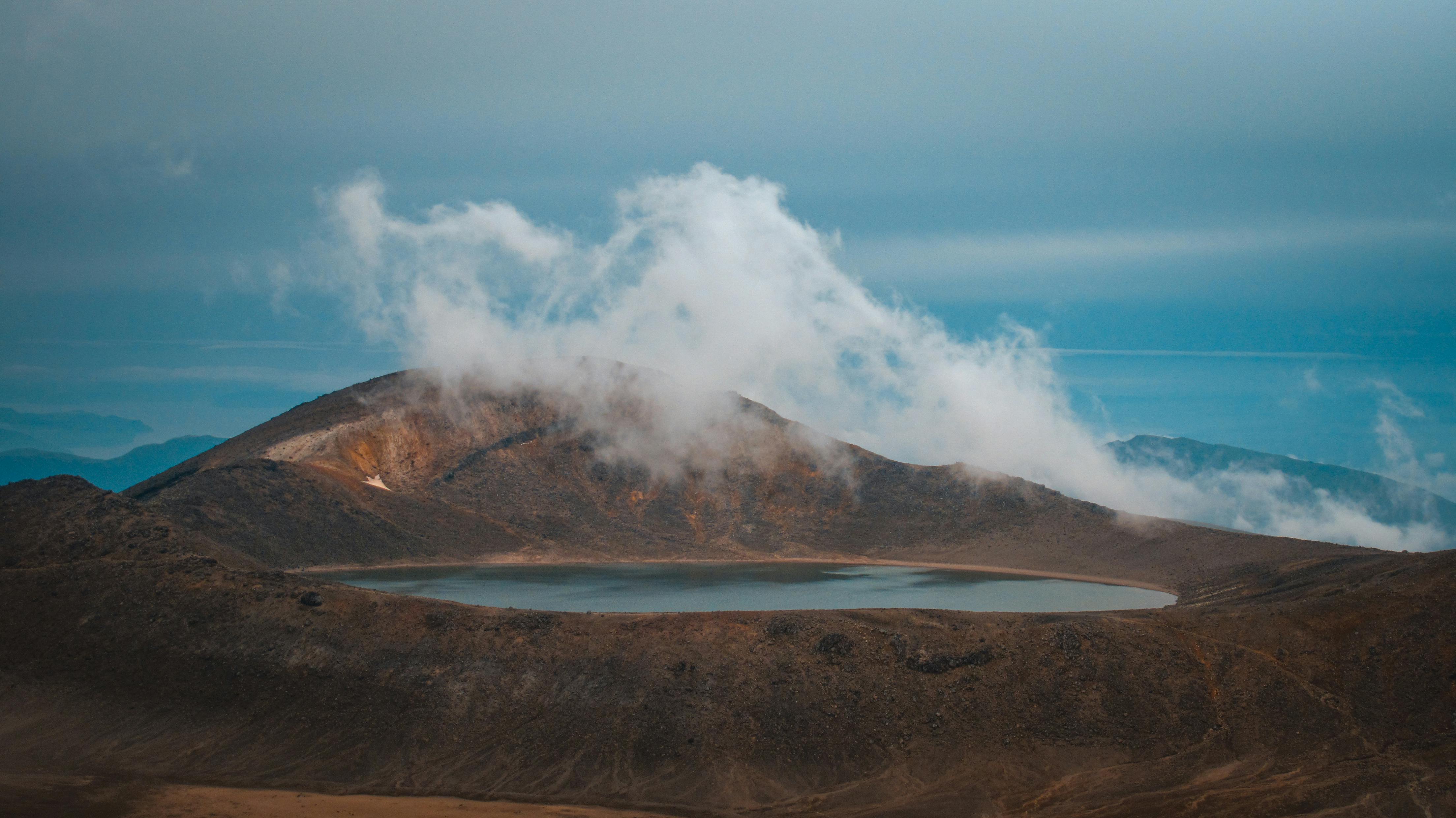
The final leg of the journey ascends into the Central Plateau. Here, the landscape changes dramatically—emerald pastures give way to volcanic peaks. Arriving at National Park Village, you’re greeted by Ruapehu, Tongariro, and Ngauruhoe mountains looming on the horizon. The area is a base for the famed Tongariro Alpine Crossing, a day hike considered one of the world’s best. Even if hiking’s not on your agenda, the views from the village are simply breathtaking.
Where to Stay and What to Do
Activities: Beyond hiking, take a scenic flight, cycle the Old Coach Road, or relax in a hot tub with mountain views. In winter, the area transforms into a ski and snowboard paradise.
- Accommodation: Choose from cosy lodges, holiday parks, or boutique B&Bs in National Park Village for a comfortable night’s rest.
- Dining: Local pubs and restaurants offer hearty fare—try a classic Kiwi burger or a warming bowl of lamb stew after a day in the outdoors.
- Activities: Beyond hiking, take a scenic flight, cycle the Old Coach Road, or relax in a hot tub with mountain views. In winter, the area transforms into a ski and snowboard paradise.
Final Thoughts: An Unforgettable North Island Journey
From Hamilton’s gardens to the volcanic drama of National Park, this road trip weaves together the essence of the North Island—nature, adventure, and friendly Kiwi hospitality. Whether you spend your days hiking, caving, or simply enjoying the stunning scenery, the memories made on this route will linger long after the journey ends. So pack your bags, cue up your favourite playlist, and set off on an adventure through the heart of New Zealand!
Traveller Tips
- Check weather conditions in advance, especially if planning to hike in Tongariro National Park.
- Fuel up in major towns—petrol stations are less frequent in rural areas.
- Respect local iwi land and customs, and leave no trace in these beautiful environments.